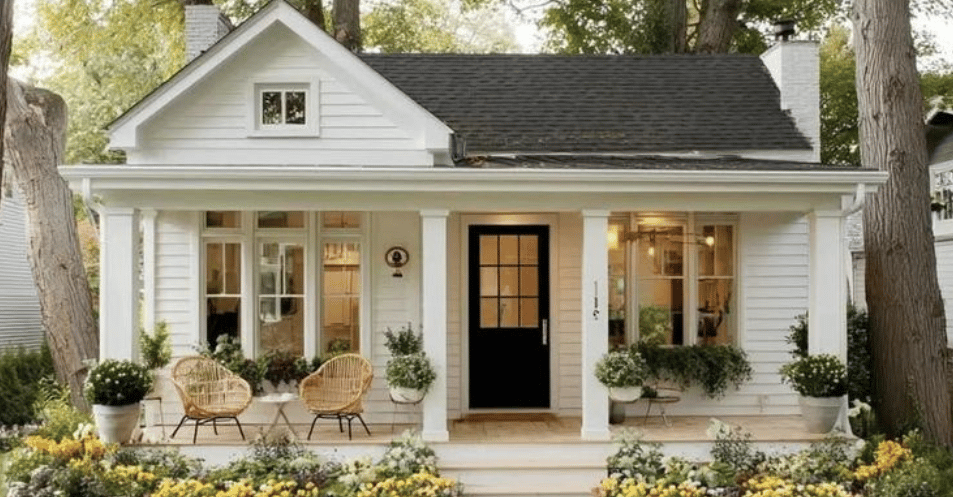
Is It the Right Time to Buy Your First Home?
Kennedy Yeager April 15, 2026
Kennedy Yeager April 15, 2026
Deciding to buy your first home is one of the biggest financial and lifestyle decisions you’ll make. While renting offers flexibility and lower upfront costs, buying a home can provide long-term stability, equity growth, and personal control over your living space. But how do you know when the timing is right? Let’s break down the key indicators that suggest you may be ready to take the plunge into homeownership.
Lenders typically look for consistent earnings when approving a mortgage. A steady income not only helps you qualify for a loan but also ensures you can comfortably cover monthly payments over time.
Buying a home requires more than just the down payment. Closing costs, moving expenses, and potential home repairs can add up quickly. Having an emergency fund alongside your down payment ensures you’re financially prepared for unexpected expenses.
Buying a home makes the most sense if you plan to stay in the same area for several years—usually at least five. Selling too soon can reduce the financial benefits of ownership and may not give you enough time to build significant equity.
Many buyers qualify for programs that lower the initial barrier to homeownership. Some programs allow down payments as low as 3–5%, and others offer assistance with closing costs or tax credits. These resources can make buying more attainable and less intimidating for first-time buyers.
In 2025, first-time homebuyers made up about 21% of all home purchases, reflecting ongoing interest in entering the housing market despite shifting conditions. This shows that even in a competitive market, many buyers are successfully taking steps toward ownership.
Homeownership remains a long-term wealth-building strategy. Homeowners often accumulate equity over time, giving them a tangible asset that grows in value as mortgage balances decrease and property values rise.
There’s no single formula for determining the perfect time to buy your first home. The right moment depends on your financial stability, readiness to commit to a location, and ability to take advantage of programs designed to support first-time buyers.
If you’re considering buying, start by evaluating your income, savings, and long-term plans. Talk with a local real estate professional who can guide you through available programs, market trends, and your personal options. Taking these steps can help ensure that when you do buy, it’s a confident, informed decision.

From winterizing water systems to storing lake gear, a little off-season preparation can protect your lake home and make your spring return much easier.

From thoughtful staging to professional photography, the way your home is presented can make all the difference in attracting buyers and maximizing its value.

A beautiful first impression matters, but knowing what to look for beyond the finishes can help you choose a home that truly fits your lifestyle.

National recognition, strong communities, and everyday livability are making Greater Indianapolis a place buyers choose to call home for the long run.

More than a getaway, a second home offers lasting memories, meaningful family connections, and a lifestyle centered on time well spent.
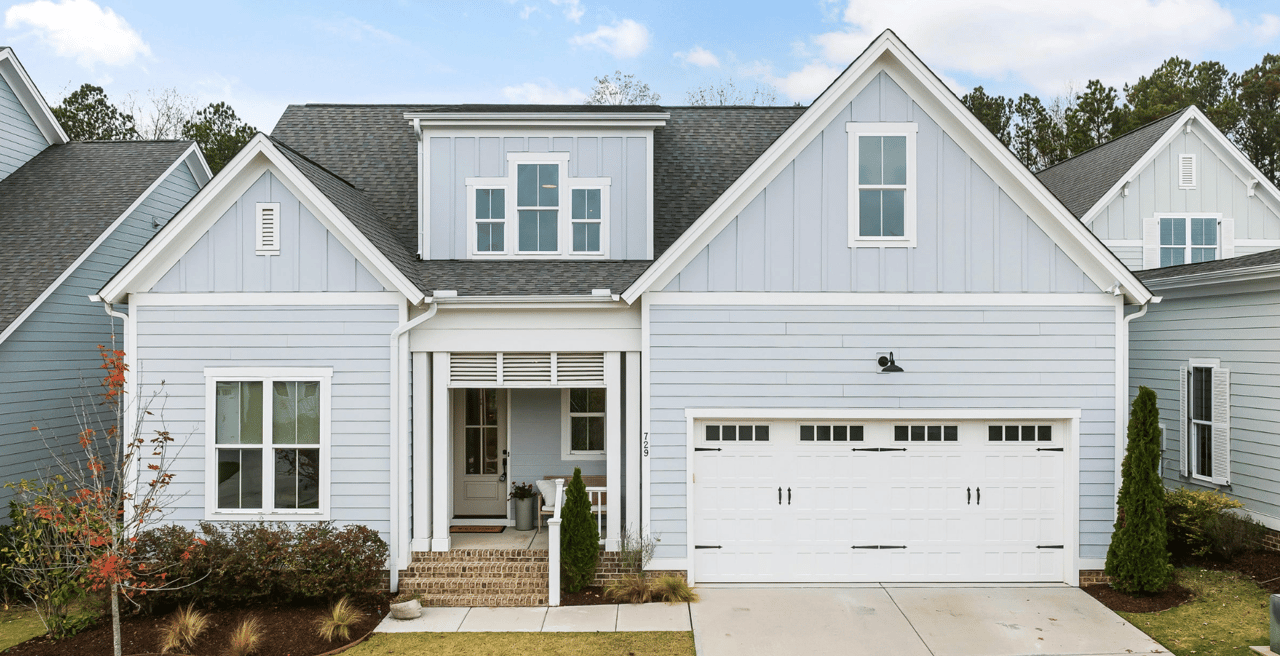
One simple filing can significantly reduce your Indiana property taxes. Here’s what every homeowner should know about the Homestead Exemption.
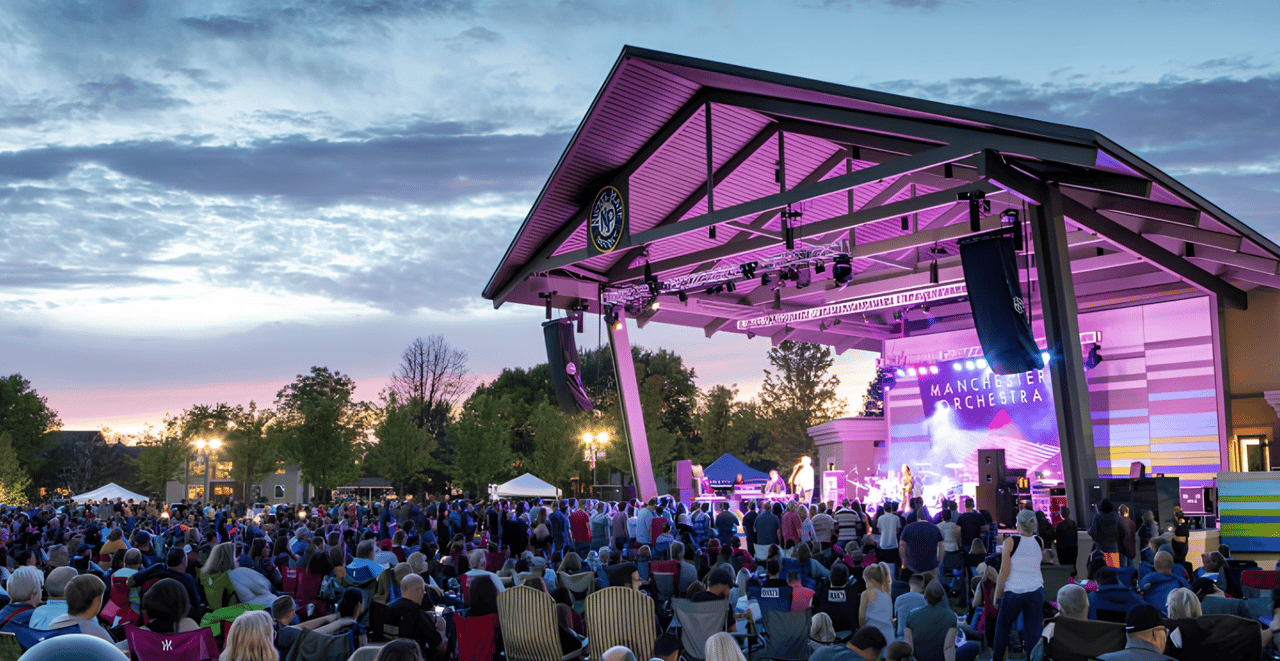
From farmers markets and concerts to bike trails and family festivals, discover the best ways to enjoy summer across Greater Indianapolis.

Discover which backyard upgrades buyers value most in 2026 and how the right outdoor improvements can boost both enjoyment and resale potential.

A little preparation now means more relaxing, boating, bonfires, and effortless weekends once lake season arrives.
With experience in every type of real estate transaction, we aim to deliver sound advice, extensive research, and tenacious negotiating in order to secure incredible results for our clients. Every opportunity to serve our clients is a beautiful gift worth cherishing.