
5 Questions Every First-Time Homebuyer Should Ask
Kennedy Yeager March 19, 2026
Kennedy Yeager March 19, 2026
Buying your first home is exciting — and sometimes overwhelming. Between deposits, inspections, appraisals, and closing paperwork, it’s easy to feel unsure about what happens next.
If you’re entering today’s market with higher home prices and shifting interest rates, understanding the process is essential. Here are five key questions every first-time buyer should ask.
After your offer is accepted, you’ll submit an earnest money deposit — typically 1–3% of the purchase price. This shows the seller you’re serious.
Before sending it, make sure you understand:
How much is typical in your market
The deadline to submit it
When it’s refundable
Earnest money is usually protected by contingencies (like financing or inspection), but those protections have deadlines. Know the timelines before you transfer funds.
Inspection reports can be long and detailed. No home is perfect — the key is knowing what truly matters.
Pay close attention to:
Structural issues (foundation cracks, roof concerns)
Major systems (HVAC, plumbing, electrical)
Water damage or drainage problems
Septic, well, or pest concerns (if applicable)
Cosmetic flaws are common. Safety issues and major system problems are not. Understanding the difference helps you prioritize what’s important.
After the inspection, you can request repairs or credits.
Before submitting anything, consider:
What issues are truly significant
What’s reasonable to ask for
Whether a second opinion or contractor quote is needed
The goal isn’t to create conflict — it’s to address meaningful concerns so you can move forward confidently.
If the appraisal is lower than your purchase price, your lender may not finance the full amount.
Your options could include:
Renegotiating the price
Bringing additional cash to closing
Canceling under an appraisal contingency (if included)
Understanding this possibility ahead of time reduces stress if it happens.
Closing is when you sign your final paperwork and officially become a homeowner.
Be prepared to:
Bring a government-issued photo ID
Send a wire or bring a cashier’s check for your closing funds
Review and sign your final settlement statement
Also confirm when you receive the keys — possession may be immediate or delayed depending on your contract.
Buying your first home isn’t just about choosing the right property. It’s about understanding what happens from accepted offer to closing day.
A good agent will make sure you understand these questions and guide you through the process so you can move forward with clarity and confidence.

From custom builds to move-in-ready homes, explore your new construction options in Greater Indianapolis and what to consider before choosing the right home.

Some of the best homes never appear in online listings. Discover how a proactive search strategy and local connections can uncover hidden opportunities.

Simple seasonal touches can bring warmth, comfort, and connection to your home, creating inviting spaces for family and friends all fall long.

From winterizing water systems to storing lake gear, a little off-season preparation can protect your lake home and make your spring return much easier.

From thoughtful staging to professional photography, the way your home is presented can make all the difference in attracting buyers and maximizing its value.

A beautiful first impression matters, but knowing what to look for beyond the finishes can help you choose a home that truly fits your lifestyle.
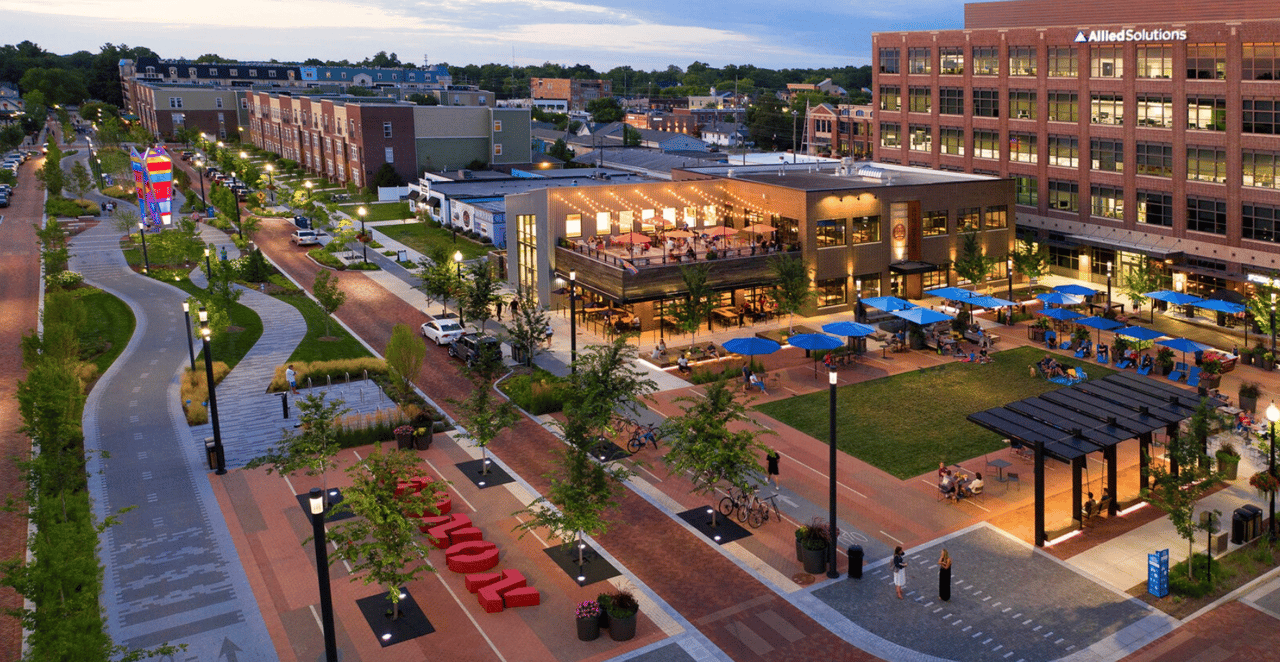
National recognition, strong communities, and everyday livability are making Greater Indianapolis a place buyers choose to call home for the long run.

More than a getaway, a second home offers lasting memories, meaningful family connections, and a lifestyle centered on time well spent.

One simple filing can significantly reduce your Indiana property taxes. Here’s what every homeowner should know about the Homestead Exemption.
With experience in every type of real estate transaction, we aim to deliver sound advice, extensive research, and tenacious negotiating in order to secure incredible results for our clients. Every opportunity to serve our clients is a beautiful gift worth cherishing.