
Why a Second Home Can Be a Meaningful Luxury Investment
Sandy Ginn July 23, 2026
Sandy Ginn July 23, 2026
There’s a quiet shift happening in how people define success and lifestyle. Increasingly, it’s not just about what someone owns, but how easily they can step out of their daily routine and into a life that feels slower, more intentional, and more connected. For many families, that shift is leading to one place in particular: a second home.
The second home market has seen sustained strength over the past decade. According to the National Association of Realtors (NAR), second-home purchases regularly account for 5–6% of all U.S. home sales, with spikes in demand following lifestyle-driven market shifts since 2020.
Even more telling, VacationRenter and Redfin housing trend reports have shown that over 40% of affluent buyers now consider a second property part of their long-term financial and lifestyle planning, while nearly 1 in 3 luxury buyers prioritize lifestyle enhancement over pure investment return when purchasing a second home.
This is no longer about excess—it’s about alignment.
The greatest return on a second home is not financial—it’s temporal.
A second residence removes the friction that usually comes with getting away. There’s no searching for availability, no last-minute stress, no pressure to make the trip “worth it.” Instead, there’s simply a place that’s already yours, quietly inviting you to slow down and arrive whenever life allows.
Families often find that this shift naturally increases the amount of time they spend together, especially during peak seasons when the second home becomes the default gathering place. Studies and lifestyle behavior trends suggest that shared time can increase significantly when a dedicated retreat is part of a family’s routine.
But the real difference isn’t just in quantity—it’s in quality. Time feels different there. Meals last longer without anyone checking the clock. Phones stay untouched without needing to be put away. Conversations move at a slower pace, with more presence and less distraction.
In that sense, luxury stops being about possessions and becomes something much simpler: uninterrupted time together.
One of the most overlooked benefits of second-home ownership is the way it strengthens generational bonds over time.
Whether it’s a lake house, a mountain retreat, or a coastal escape, these homes slowly become the setting for family tradition. Grandparents teaching grandchildren how to fish or boat, summers that children begin to associate as “their place,” and holidays or long weekends that feel less like planning and more like returning somewhere familiar—all of it builds a rhythm that repeats year after year.
Research from Harvard’s Joint Center for Housing Studies supports the idea that shared family property use deepens emotional connection across generations. But beyond any study, what families tend to describe is simpler: the home becomes part of their shared identity. It’s where memories are not just made, but layered over time.
High-performing individuals are increasingly viewing second homes as essential—not just for leisure, but for mental clarity.
Research from the American Psychological Association has shown that time spent in natural or restorative environments can reduce stress levels by as much as 30–40%, while also supporting improved focus and long-term decision-making when people return to their primary environments.
A second home creates a natural separation between work and rest, which is becoming harder to achieve in a world where everything is always accessible. It’s not about escaping life, but about stepping into a different rhythm of it.
Most people don’t describe it in technical terms. They simply say they feel different there—more present, less reactive, and more grounded in a way that’s hard to replicate elsewhere.
While the emotional return is often what drives the decision, second homes—when well-located—can also hold strong long-term financial positioning.
Data from Zillow and CoreLogic has shown that vacation and lake properties in supply-constrained markets have historically appreciated in line with, and in some cases ahead of, broader residential real estate trends. Waterfront and lifestyle-driven properties, in particular, tend to maintain value during slower market cycles simply because their supply cannot be replicated.
Still, the most important value isn’t just appreciation. It’s use. A second home isn’t sitting in the background of life—it becomes part of how life is actually lived, used consistently throughout the year in ways that traditional investments simply aren’t.
Modern luxury buyers are increasingly less focused on building portfolios of property and more focused on building portfolios of experience.
A second home naturally becomes the place where work doesn’t follow you, where guests always feel welcome without complication, and where the most meaningful parts of life tend to unfold without effort.
It’s less about how often you are there, and more about the certainty that it is always there—waiting, unchanged, ready.
A second home is not simply a real estate decision—it is a lifestyle decision disguised as an asset.
It represents a shift away from constant coordination and toward ease. Away from waiting for the right time and toward creating space for it. Away from owning property and toward owning presence.
In the end, the true luxury of a second home is not measured in square footage or shoreline—it is measured in the life that unfolds inside it.
And for many families, that becomes the most valuable investment of all.

From winterizing water systems to storing lake gear, a little off-season preparation can protect your lake home and make your spring return much easier.
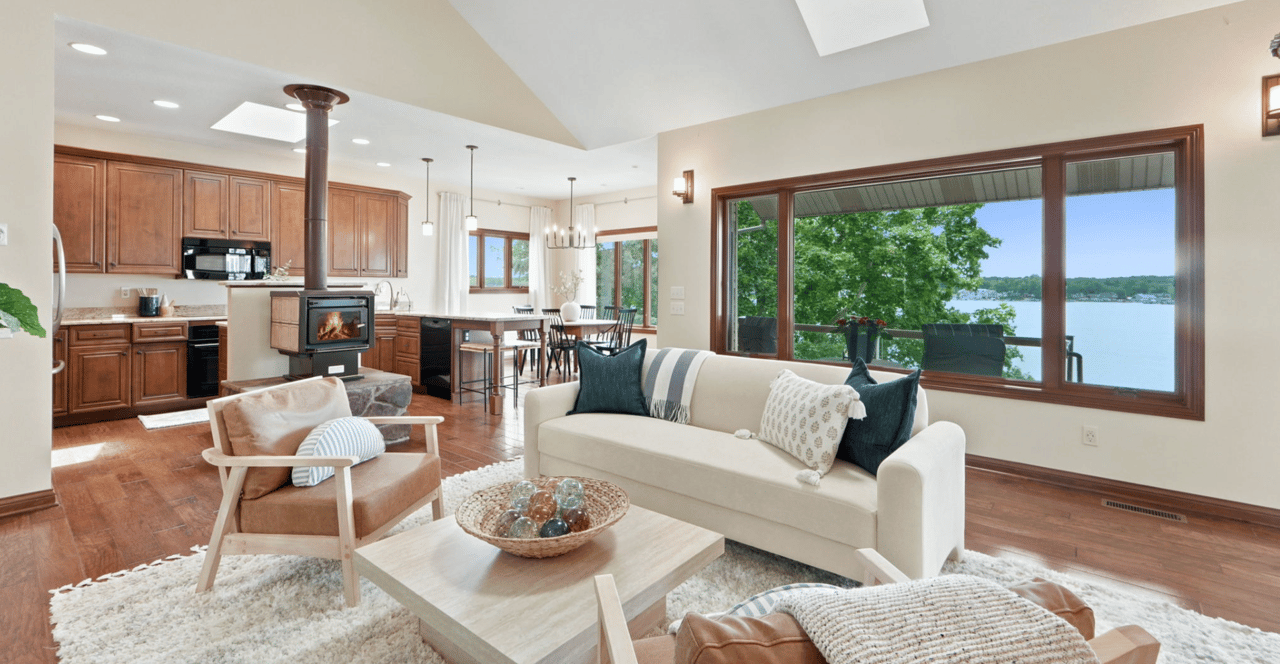
From thoughtful staging to professional photography, the way your home is presented can make all the difference in attracting buyers and maximizing its value.

A beautiful first impression matters, but knowing what to look for beyond the finishes can help you choose a home that truly fits your lifestyle.
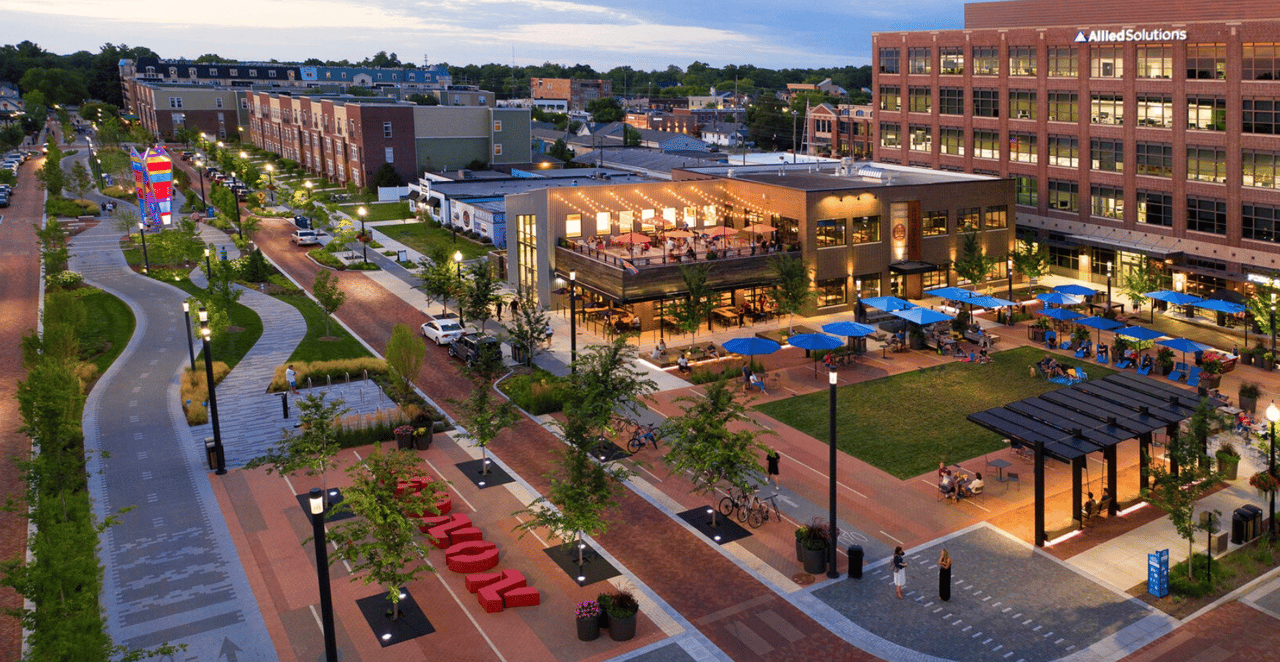
National recognition, strong communities, and everyday livability are making Greater Indianapolis a place buyers choose to call home for the long run.
More than a getaway, a second home offers lasting memories, meaningful family connections, and a lifestyle centered on time well spent.
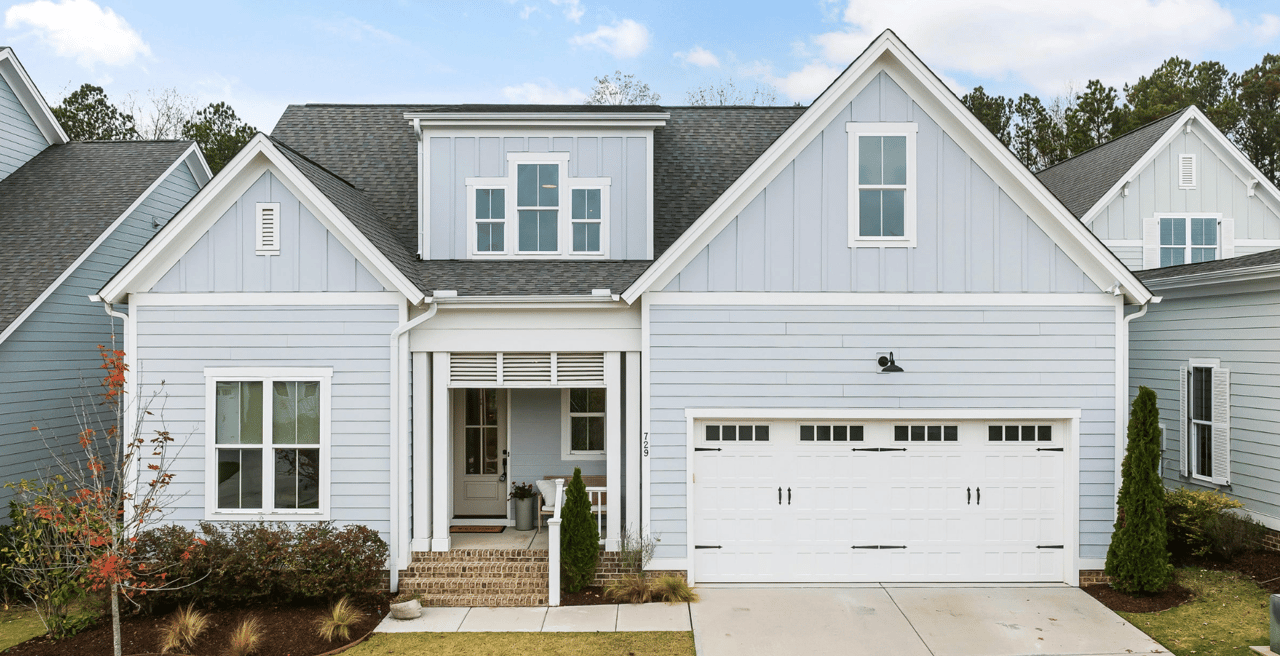
One simple filing can significantly reduce your Indiana property taxes. Here’s what every homeowner should know about the Homestead Exemption.
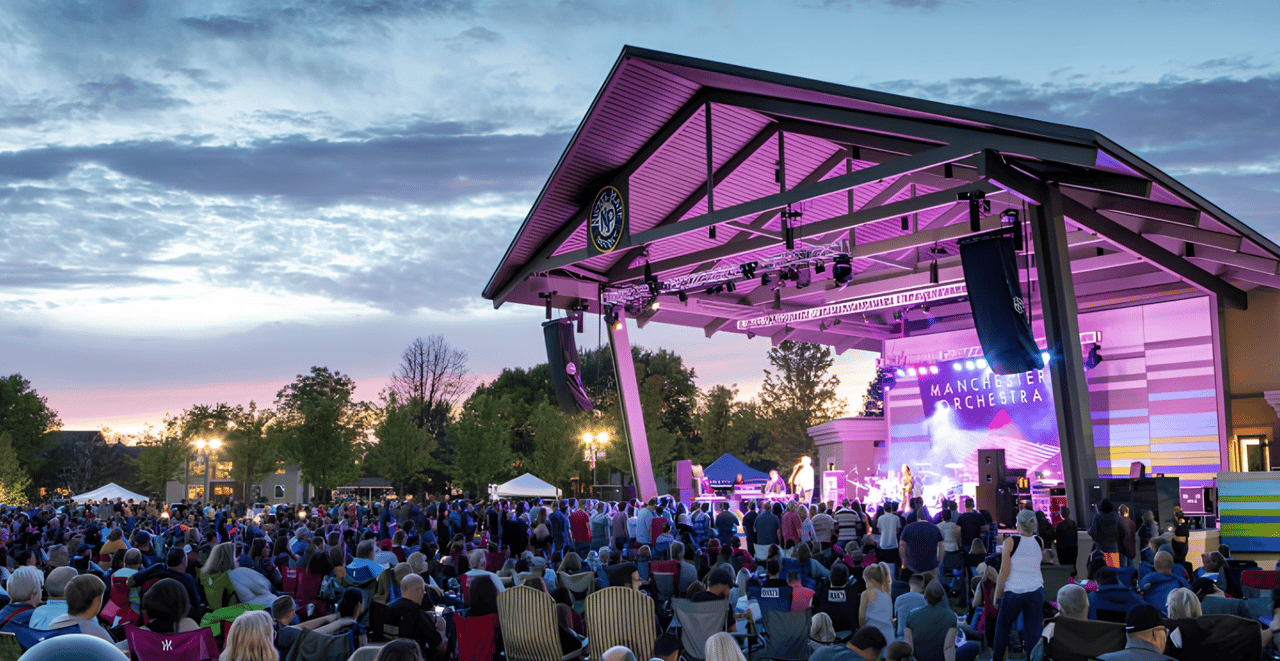
From farmers markets and concerts to bike trails and family festivals, discover the best ways to enjoy summer across Greater Indianapolis.
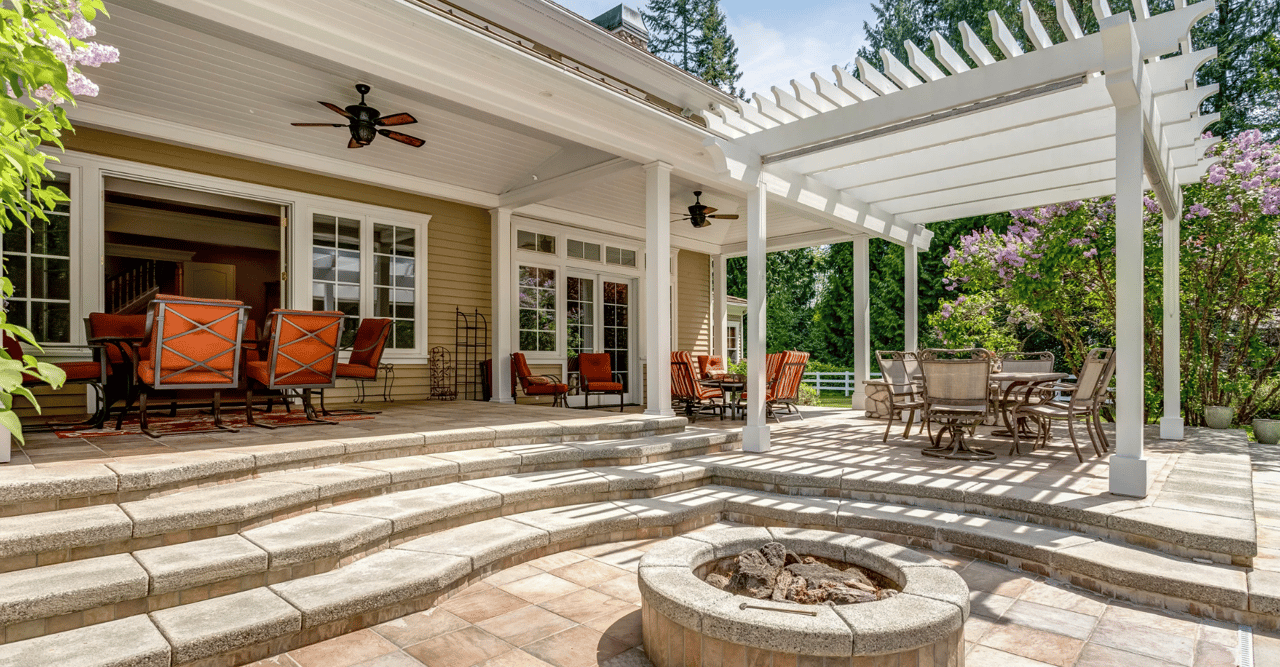
Discover which backyard upgrades buyers value most in 2026 and how the right outdoor improvements can boost both enjoyment and resale potential.
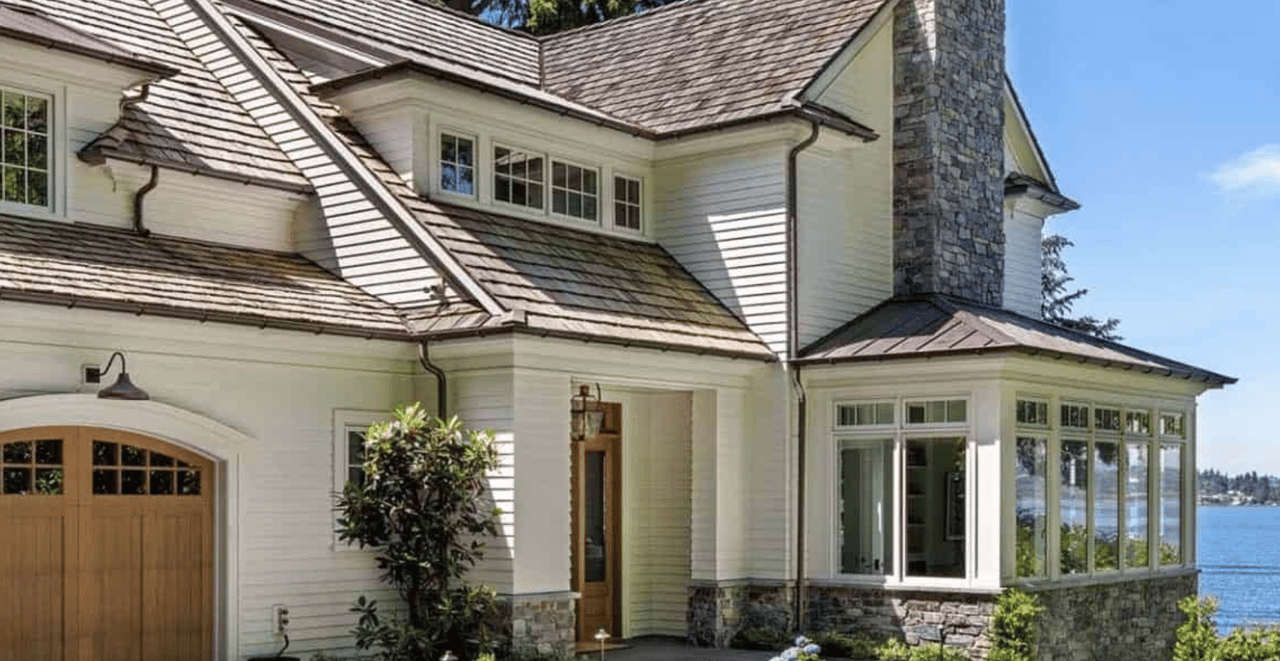
A little preparation now means more relaxing, boating, bonfires, and effortless weekends once lake season arrives.
With experience in every type of real estate transaction, we aim to deliver sound advice, extensive research, and tenacious negotiating in order to secure incredible results for our clients. Every opportunity to serve our clients is a beautiful gift worth cherishing.