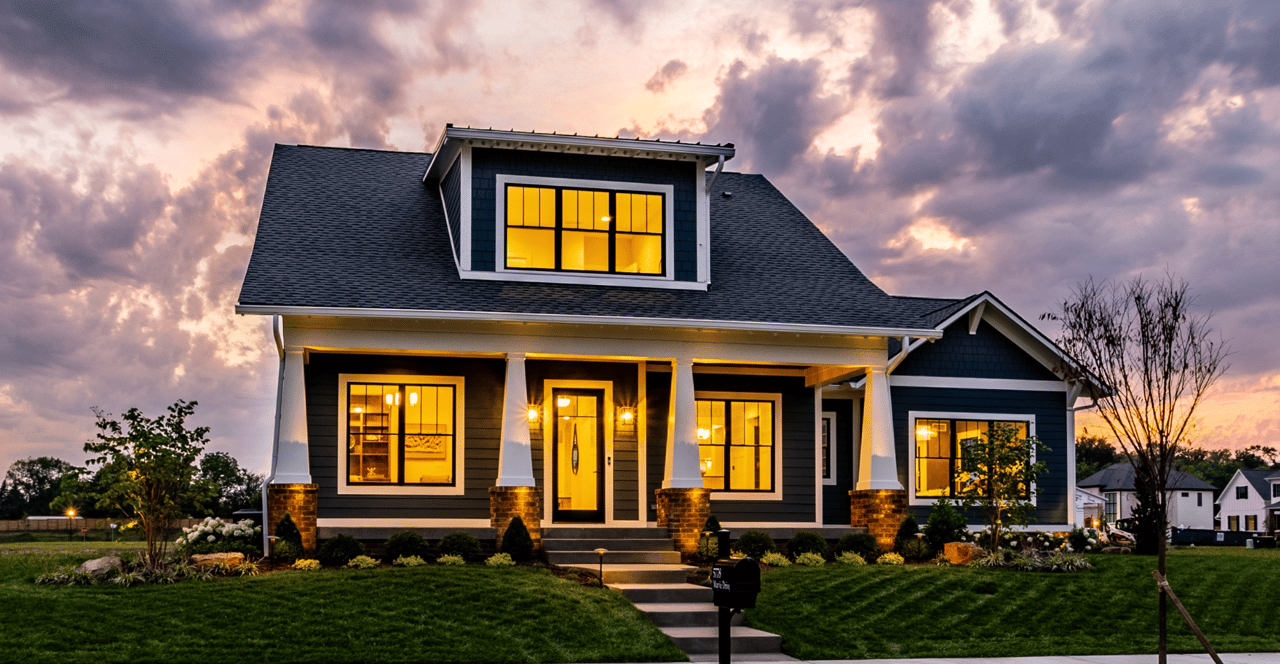
New Construction in Greater Indianapolis: Understanding Your Options
Sandy Ginn October 29, 2026
Sandy Ginn October 29, 2026
New construction continues to offer buyers throughout Greater Indianapolis a wide range of choices—from fully custom homes designed from the ground up to semi-custom communities and move-in-ready homes.
But choosing new construction involves more than selecting a floor plan and finishes. The community, builder, lot, level of customization and total investment can all have a significant impact on both your experience and the long-term value of your home.
Understanding your options from the beginning can help you make more informed decisions along the way.
Before choosing the house, consider where you want to live.
Greater Indianapolis offers new construction throughout Carmel, Zionsville, Westfield, Fishers, Noblesville and surrounding communities, with each area offering different neighborhoods, amenities and lifestyles.
Consider schools, parks and trails, commute times, shopping and restaurants, HOA fees and restrictions, lot sizes, and future development. It is also important to understand what a neighborhood is expected to look like once it is fully developed—not simply what you see today.
The location of the lot within the community also matters. Privacy, views, yard size, orientation, surrounding homes and proximity to community amenities can influence how you enjoy the property as well as its future resale appeal.
Not all new construction follows the same path, and understanding the differences can help determine which option best fits your priorities, budget and timeline.
Custom homes offer the greatest level of flexibility. Buyers may purchase a lot separately and work with a builder or architect to create a home specifically for their needs, with greater control over the architecture, floor plan, materials and finishes.
Semi-custom homes typically begin with an established builder floor plan while offering opportunities to personalize finishes and, depending on the builder, certain structural elements. This can provide a balance between personalization, cost and predictability.
Move-in-ready or spec homes are already under construction or complete. While there may be fewer opportunities for personalization, buyers can see much more of the finished product and typically have a shorter timeline to closing.
Financing can vary as well. A move-in-ready or semi-custom home may be financed much like an existing home, while a fully custom build may require purchasing the lot and obtaining construction financing. Understanding the path you are considering early in the process can help establish a realistic budget and timeline.
Choosing the right builder is an important part of the process.
Consider the builder's reputation, quality of construction, communication, warranty program and history in the local market. Tour completed homes when possible, and understand how the builder handles warranty items and follow-up after closing.
It is also helpful to understand the level of customization a builder offers. Some builders provide extensive opportunities to modify plans and selections, while others have a more defined process designed to simplify decisions and control costs.
Looking beyond the model home can provide a better understanding of the builder, the quality of construction and what you can expect throughout the process.
The level of customization you choose can have a significant impact on the overall investment. Fully custom construction provides greater control over the architecture, floor plan, materials and finishes, but that flexibility typically comes at a higher cost.
Semi-custom construction can offer an appealing balance. Many builders have thoughtfully incorporated current architecture, finishes and design trends into their floor plans and available selections, allowing buyers to personalize a home without the expense of designing and sourcing every element individually.
Regardless of the approach, it is important to understand what is included in the price. The advertised base price may not reflect the home you ultimately want to build. Lot premiums, structural changes, finished basements, additional bathrooms, cabinetry, flooring, appliances, landscaping and other selections can add significantly to the final cost.
Before selecting a home or floor plan, look beyond the starting price and develop a realistic understanding of the total investment based on the features and finishes that matter to you.
Builder incentives may also factor into the equation. Financing incentives, closing-cost assistance and design or upgrade allowances can be valuable, but should be considered as part of the overall purchase rather than on their own.
A new home should still be independently inspected.
Depending on the type of construction and builder, inspections may be completed at different stages of the build as well as before closing. A qualified third-party inspector can identify concerns while they may still be easier to address.
A builder warranty provides important coverage, but an independent inspection offers an additional level of information and confidence before closing.
The builder's sales representative represents the builder. Having your own real estate professional provides independent representation and guidance throughout the transaction.
An experienced agent can help you compare communities and builders, evaluate lots and lot premiums, understand pricing and incentives, coordinate inspections, monitor important timelines and consider future resale value.
That guidance can be particularly valuable before visiting model homes or beginning conversations with builders. Understanding your priorities first makes it easier to compare options objectively and determine where additional investment may provide meaningful value.
It also allows you to compare new construction with existing homes in the same market. In some situations, building may be the right choice. In others, an existing home may offer a better location, larger lot, established neighborhood or greater overall value.
New construction offers buyers an exciting opportunity to create a home that fits the way they want to live. From choosing the right community and lot to finding the right builder and level of customization, there are more options than ever to find the right fit for your lifestyle, priorities and investment.
Whether you are considering a fully custom home, exploring a new community or looking for a home that is nearly complete, understanding your options from the beginning can make the experience both rewarding and enjoyable.
Greater Indianapolis has so much to offer today's new construction buyer. With the right guidance, you can explore the possibilities with confidence and find—or create—a home that truly feels like yours.
From custom builds to move-in-ready homes, explore your new construction options in Greater Indianapolis and what to consider before choosing the right home.
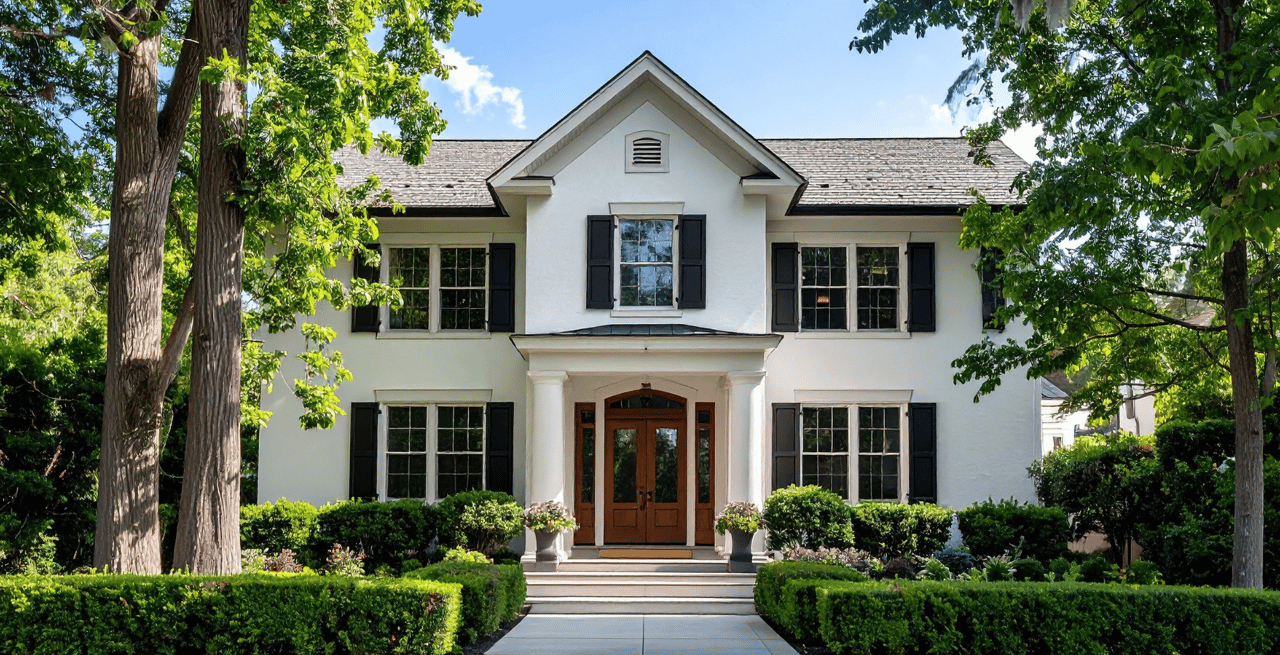
Some of the best homes never appear in online listings. Discover how a proactive search strategy and local connections can uncover hidden opportunities.

Simple seasonal touches can bring warmth, comfort, and connection to your home, creating inviting spaces for family and friends all fall long.

From winterizing water systems to storing lake gear, a little off-season preparation can protect your lake home and make your spring return much easier.
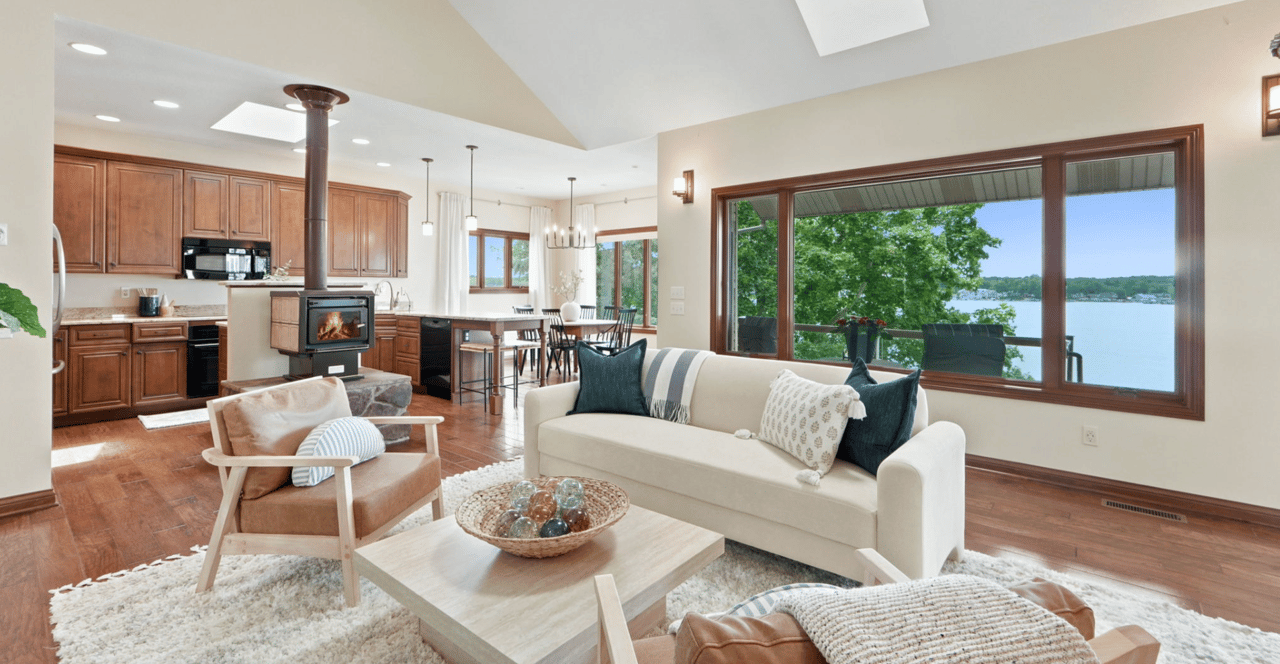
From thoughtful staging to professional photography, the way your home is presented can make all the difference in attracting buyers and maximizing its value.
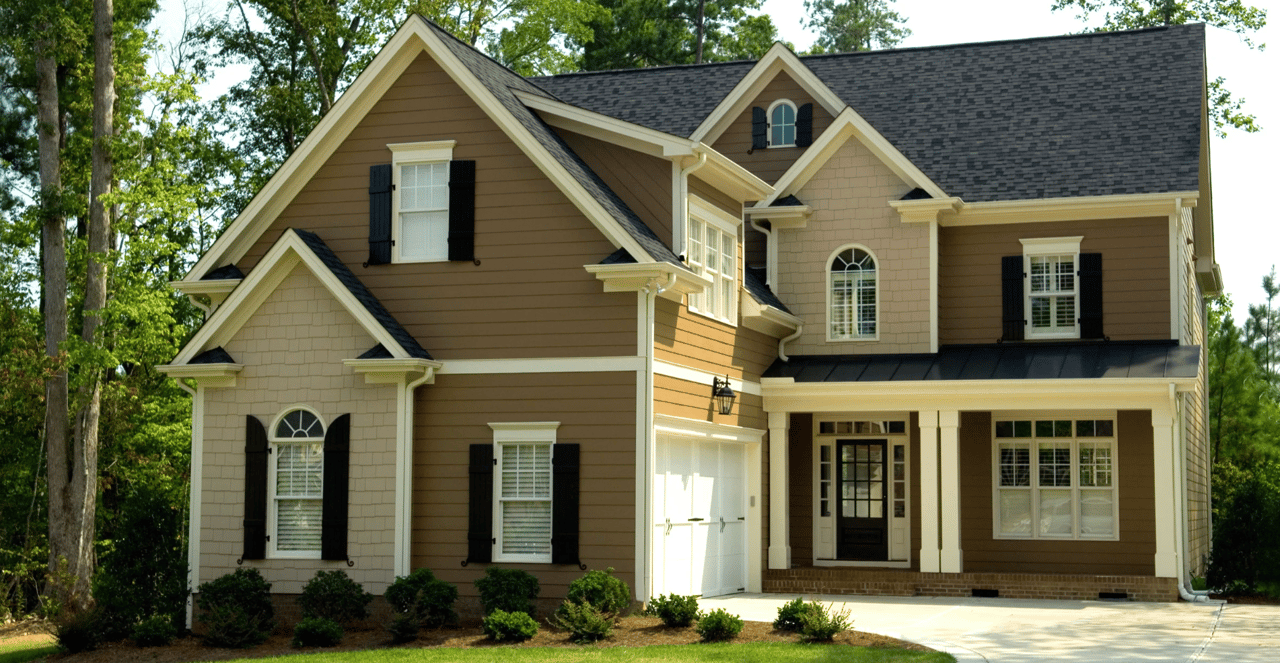
A beautiful first impression matters, but knowing what to look for beyond the finishes can help you choose a home that truly fits your lifestyle.
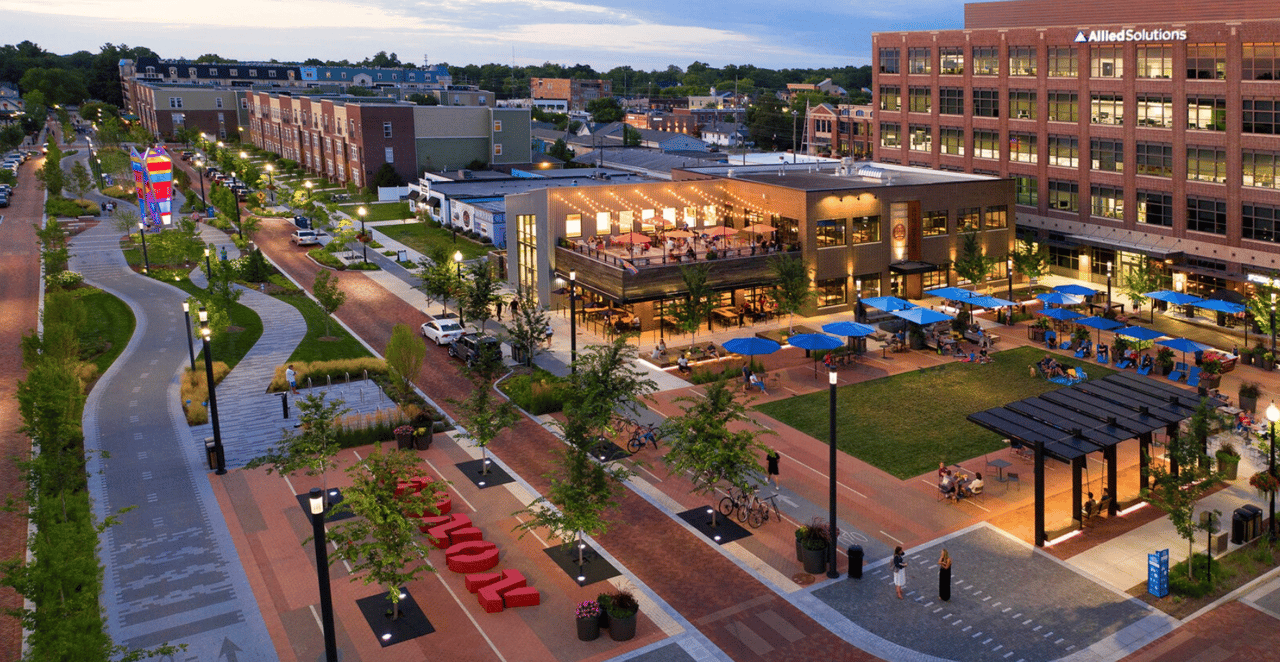
National recognition, strong communities, and everyday livability are making Greater Indianapolis a place buyers choose to call home for the long run.

More than a getaway, a second home offers lasting memories, meaningful family connections, and a lifestyle centered on time well spent.
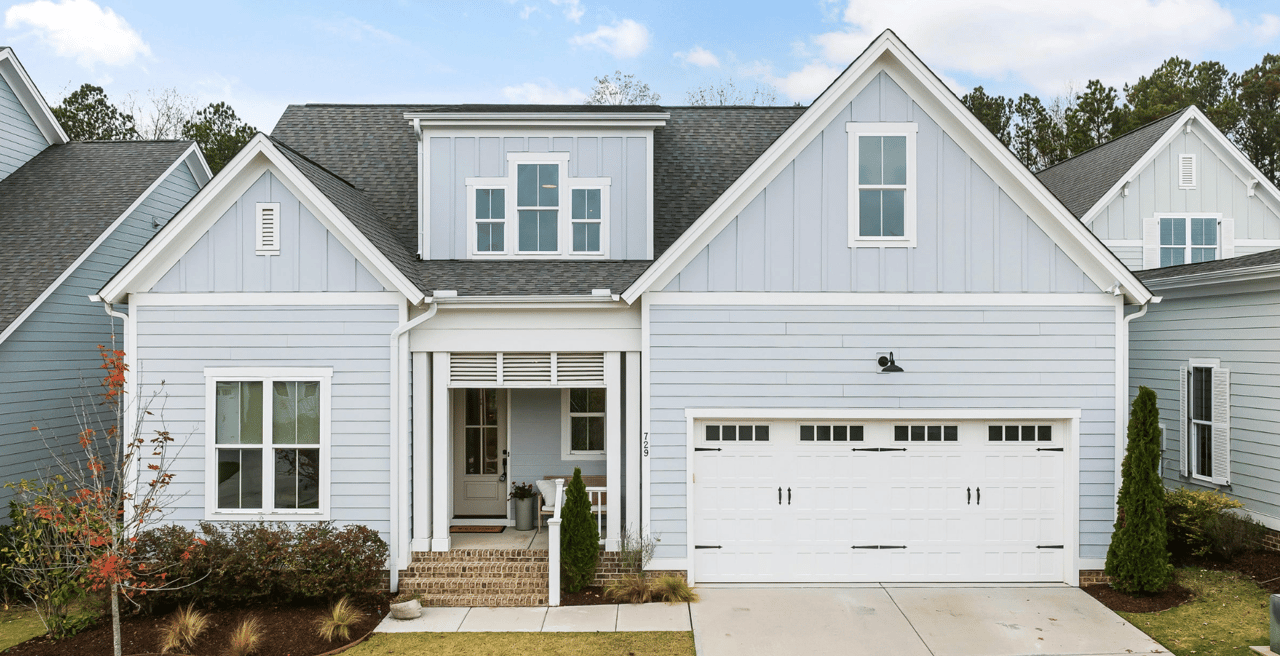
One simple filing can significantly reduce your Indiana property taxes. Here’s what every homeowner should know about the Homestead Exemption.
With experience in every type of real estate transaction, we aim to deliver sound advice, extensive research, and tenacious negotiating in order to secure incredible results for our clients. Every opportunity to serve our clients is a beautiful gift worth cherishing.